

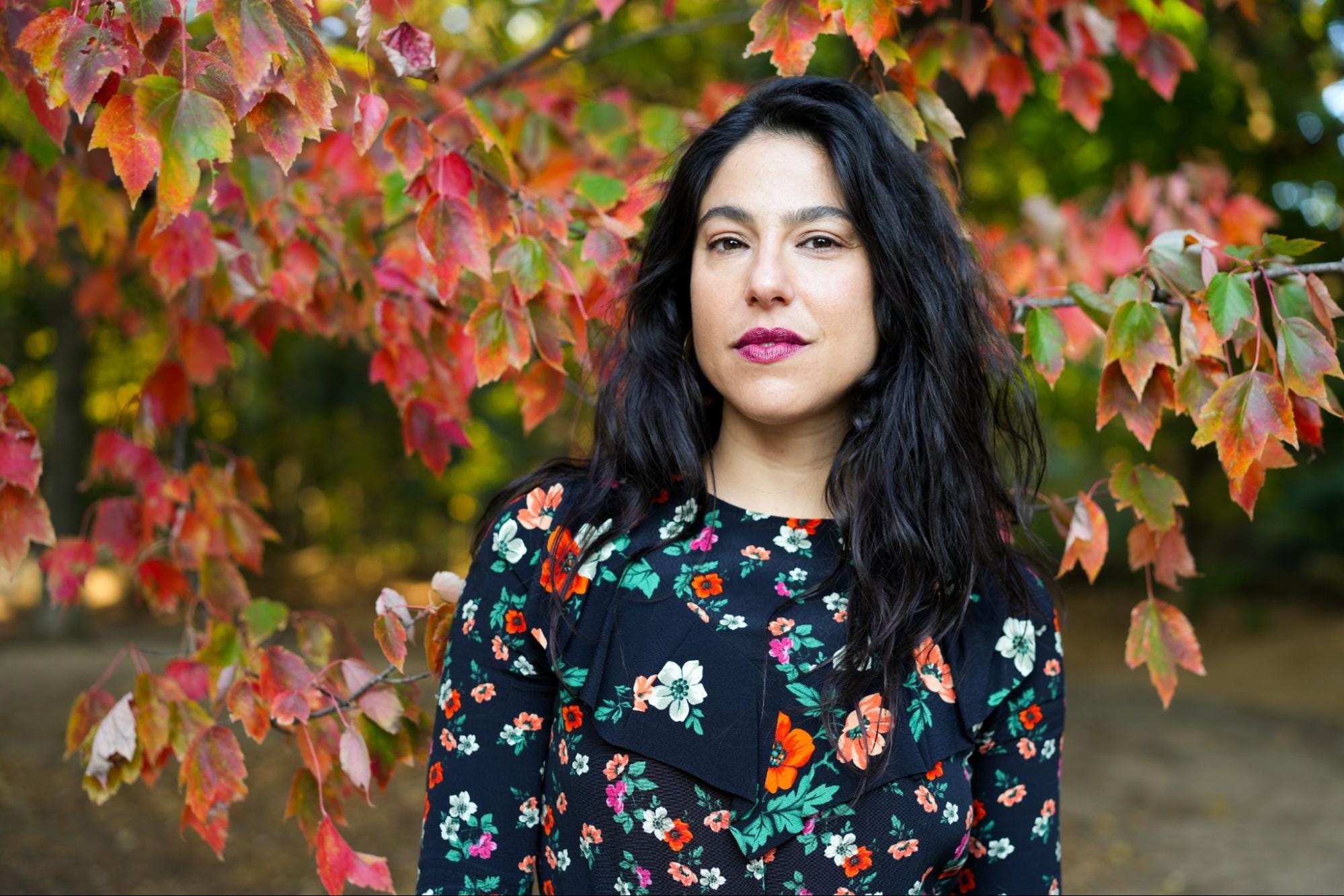
How do you integrate your interdisciplinary background of both music and psychology work?
I don’t feel that I have to try to bring music and psychology together. It comes naturally; each discipline can’t help but inform the other. When I am conducting a therapy session, emotional channels open up. These channels in turn feed my creative practice. Writing music also stirs up many internal experiences and questions, which my psychological mind shapes into new emotional understandings over time. The dialogue is ongoing.
2. Estrangement from a family member or friend is a kind of death which you explore in your work. Could you tell us more about this and yor upcoming EP Autopsy?
On New Years Day 2025, I sent an email to my family explaining why I no longer want to have a relationship with my father. I laid bare the harm he caused me, acknowledging also the beautiful memories with him that I still hold. But my main point was this: unchecked cruelty like his festers and slowly kills even (or perhaps especially) the most loving parts of a human bond so that in the end, the only self-preserving option is to let the relationship die.
Four months later, I had written and recorded Autopsy, my debut solo EP that deals with this loss. As its title suggests, the album peels back the layers of the relationship and examines what went wrong. Naively, I did not expect that so much of the emotional innards I uncovered during this procedure would turn out to be my own–parts of myself that had effectively died. In reality, these parts of me had merely been playing dead for years in order to keep the sick relationship with my father alive. As I dug deeper, my vivid reactions to the malignant cruelty–reactions which had previously been infected by silence–found expression through music.
There is a murkiness to the sound of Autopsy. I feel it reflects the confusion that accompanies the particular kind of death embodied by estrangement. I kept asking myself, why is this happening? Does it have to happen at all? Some clarity came when making the last track of the EP, which is an unabashed breakup song. Not surprisingly, it was easier to put words to the loss of a romantic relationship with someone who was in many ways a proxy for my father (aren’t they all though? Just ask the psychologist…) than it was to sing directly about the core parental loss. For me, they are of a piece.
My New Year’s resolution for 2026 is to release Autopsy into the world, which feels like the final step in letting go of emotional decay and reclaiming my vitality. This album is the living, breathing creative outgrowth of that New Years email, which was so hard and so necessary to write.
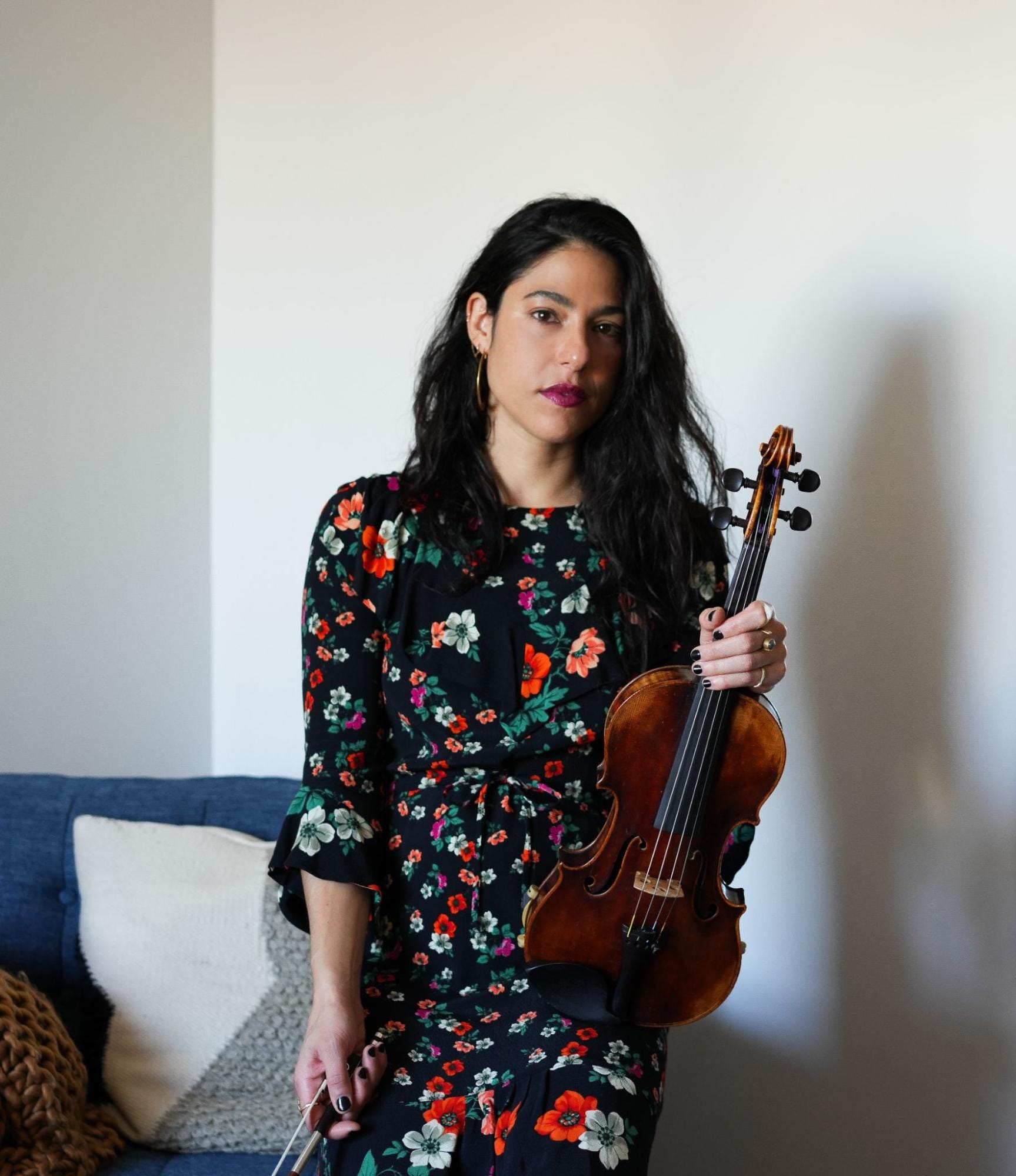
I imagine the loss of a nurturing parental figure would make your relationships to mentors even more meaningful. How has the loss of mentors, specifically women mentors who reflect your own life experience, affected your artistry?
Seeing women as leaders gives me a sense of belonging. It essentially confirms, “what they’re doing is possible for you.” The more women mentors I’ve had, the more that sense has become internalized. Still, it was a long time before I felt I could take myself seriously as a composer. Obviously brilliant female composers have always existed, but coming from a traditional Classical Music background, I didn’t know about them until relatively recently. This is a kind of death that I mourn often: the loss of female voices in the “standard” Classical Music canon. Yes, there are the token few, but when I think about the actual proportion of which gender’s music was given a platform and studied in school and which gender’s wasn’t, I feel wretched. Like when someone important to you dies, and it’s as if they take a piece of you with them.
Before I ever entertained the idea of becoming a composer, I fell in love with music through the violin. A pivotal figure in my early music education was my first female mentor and violin teacher, Anne Crowden. She believed in me and gave it to me straight–in my opinion, a necessary combo in a mentor. Above all, she modeled a confident and wise female musician.
I was in high school when she died. It was such a huge loss that I couldn’t process it at the time. Almost twenty years later, a literal watershed moment in my personal therapy hit when I unexpectedly broke down sobbing while talking about her death–what a relief! My inability to mourn her loss for so long (against the backdrop of lost female voices throughout Western musical history) prevented me from leaning into my own artistry. Through my grief, however, my determination not to lose what Anne had given me overtook my wretchedness. Processing her death counterintuitively allowed Anne to become more a part of me than before, allowing me to re-embody her (my) passion and spunk. Now, I feel closest to Anne when I’m composing, and she mentors me to this day.
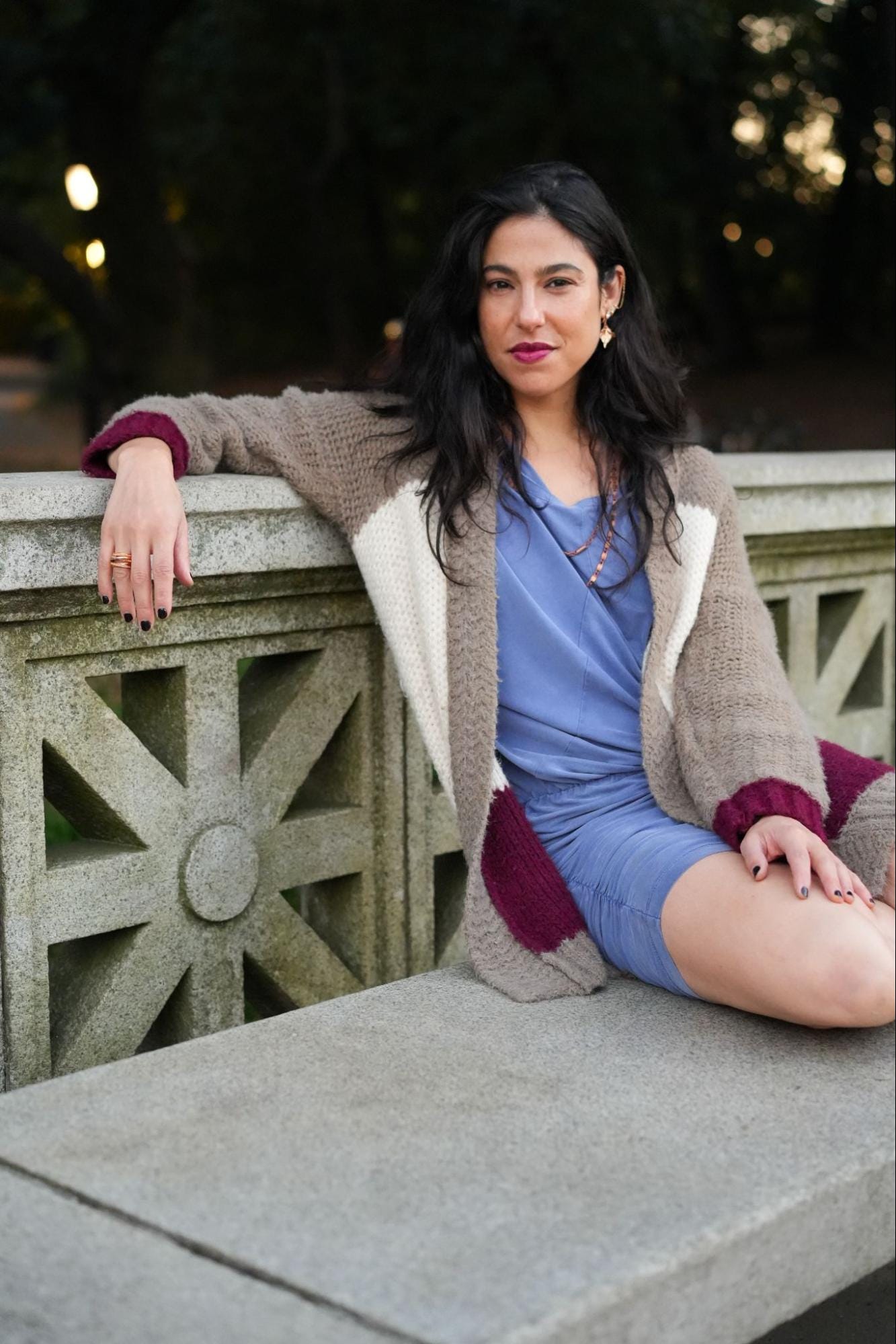
Justine Leichtling is a composer, violinist, and psychologist living in Brooklyn. She writes unabashedly emotional music that combines acoustic instruments, voice, and electronics to evoke the raw sounds of our beautiful/ugly/tragic/joyous/hysterical human condition. Originally from San Francisco, Leichtling earned her BA in Computing and the Arts from Yale University, her PsyD in Clinical Psychology from the Wright Institute, and her MM in Composition from Mannes School of Music. In addition to composing and performing, she maintains a psychotherapy practice. Leichtling often explores psychological themes in her music and seeks to capture emotional truth through sound—a lens that is strikingly evident in her forthcoming EP, Autopsy. In her free time, you can find her attending live shows, writing poetry, running in Prospect Park, or biking around the city.
You can listen to Justine’s Music and Support her work at:
The passage about grief allowing Anne to become an internal presence—not only a memory, but a mentor who remains active in the act of composing—is deeply moving. It also makes the absence of women from the classical canon feel like a loss that is both historical and intimate. This idea of identity changing through what we carry from the past resonates with our essay on Alice and the continuing fall: https://zgrtmc.substack.com/p/alice-hala-dusuyor Thank you for such a thoughtful conversation about music as emotional knowledge.